
Photo Gallery (1 images)
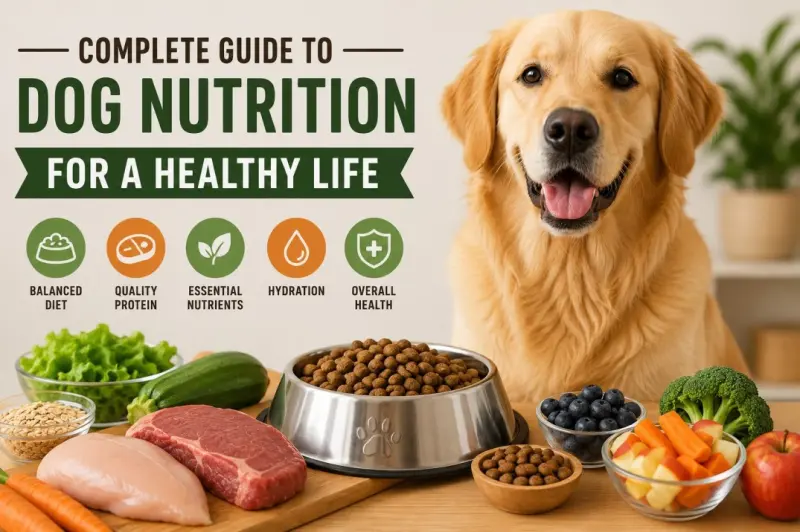
Complete Guide to Dog Nutrition for a Healthy Life
The Ultimate Dog Nutrition Guide for Pet Owners
Every dog deserves a healthy and active life, and proper nutrition is the key to achieving it. A balanced diet supports strong muscles, healthy bones, a shiny coat, improved digestion, and a stronger immune system. Whether you have a playful puppy, an energetic adult dog, or a senior companion, providing the right nutrition is essential for long-term health.
This comprehensive Dog Nutrition Guide covers everything pet parents need to know about feeding their furry friends.
Why Is Dog Nutrition Important?
Nutrition plays a vital role in maintaining your dog's overall health and well-being. A balanced diet helps:
Build strong muscles and bones
Improve digestive health
Strengthen the immune system
Maintain healthy skin and a shiny coat
Support brain development
Prevent obesity and chronic diseases
Increase lifespan and quality of life
Poor nutrition can result in obesity, digestive disorders, skin problems, diabetes, joint issues, and reduced immunity.
Essential Nutrients Every Dog Needs
- Protein
Protein is essential for muscle development, tissue repair, and overall growth.
Excellent protein sources include:
Chicken
Fish
Eggs
Lamb
Turkey
Growing puppies and active dogs require higher protein levels than less active adult dogs.
- Healthy Fats
Healthy fats provide concentrated energy while supporting brain function, skin health, and a glossy coat.
Good fat sources include:
Fish oil
Salmon
Chicken fat
Flaxseed oil
Omega-3 and Omega-6 fatty acids are particularly beneficial for dogs.
- Carbohydrates
Carbohydrates supply energy and aid healthy digestion.
Healthy carbohydrate sources include:
Brown rice
Sweet potatoes
Oats
Pumpkin
Avoid foods containing excessive fillers or artificial ingredients.
- Vitamins and Minerals
Dogs require various vitamins and minerals for proper body functions.
Important nutrients include:
Vitamin A
Vitamin D
Vitamin E
Calcium
Phosphorus
Zinc
Iron
Premium-quality dog food generally provides these nutrients in balanced proportions.
- Water
Fresh, clean water is the most important nutrient of all.
Ensure your dog always has access to clean drinking water throughout the day to prevent dehydration and maintain healthy body functions.
Puppy Nutrition Guide
Puppies experience rapid growth and require nutrient-rich food.
A healthy puppy diet should include:
High-quality protein
DHA for brain development
Calcium for strong bones
Balanced vitamins and minerals
Feed puppies 4–5 small meals daily according to their age and breed.
Never replace puppy food with adult dog food during the growth stage.
Adult Dog Nutrition
Adult dogs need balanced nutrition based on their size, breed, age, and activity level.
A complete diet should include:
25–30% quality protein
Healthy fats
Fiber
Vitamins and minerals
Plenty of fresh water
Regular exercise combined with proper portion control helps maintain an ideal body weight.
Senior Dog Nutrition
Senior dogs have different nutritional requirements due to slower metabolism and aging joints.
Look for diets containing:
Easily digestible protein
Joint-support nutrients
Omega fatty acids
Lower calorie content
Natural antioxidants
Regular veterinary checkups are recommended for senior dogs to monitor their health.
Recommended Feeding Schedule
Age Meals Per Day
2–3 Months 5 Meals
3–6 Months 4 Meals
6–12 Months 3 Meals
Adult Dogs 2 Meals
Senior Dogs 2 Small Meals
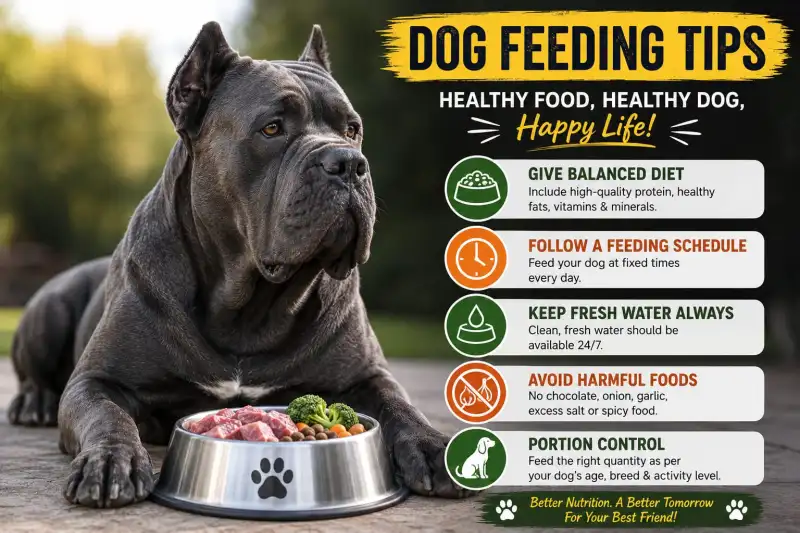
Maintaining a consistent feeding schedule promotes better digestion and healthy eating habits.
Foods Dogs Can Safely Eat
Dogs can safely enjoy the following foods in moderation:
Boiled chicken
Rice
Pumpkin
Carrots
Apples (without seeds)
Blueberries
Sweet potatoes
Eggs
Plain yogurt
Always introduce new foods gradually and monitor for any allergic reactions.
Foods That Are Dangerous for Dogs
Never feed your dog the following foods:
Chocolate
Grapes
Raisins
Onions
Garlic
Alcohol
Caffeine
Xylitol (artificial sweetener)
Cooked bones
Excessively salty or spicy foods
These foods can be toxic and may cause severe illness or even become life-threatening.
Tips for Maintaining a Healthy Diet
Choose premium-quality dog food
Feed according to your dog's age and weight
Avoid overfeeding
Read ingredient labels carefully
Keep treats below 10% of daily calories
Ensure daily exercise
Provide unlimited fresh water
Schedule regular veterinary checkups
Common Signs of Poor Nutrition
Watch for these warning signs:
Dull or dry coat
Excessive hair loss
Weight gain or sudden weight loss
Low energy levels
Digestive problems
Skin irritation
Frequent illness
Consult your veterinarian if these symptoms continue.
Final Thoughts
Good nutrition is one of the most valuable investments you can make in your dog's health. A balanced diet, proper feeding schedule, regular exercise, and routine veterinary care will help your pet live a longer, healthier, and happier life.
At Pets Heaven, we are dedicated to helping pet parents make informed choices by offering quality pet food, trusted accessories, and expert guidance for every stage of their pet's journey.
Give your dog the nutrition they deserve today and enjoy a lifetime of companionship with a healthy and happy best friend.


Comments (0)
Leave a Comment